Egg Bound Hen Symptoms: Recognizing the Warning Signs Early
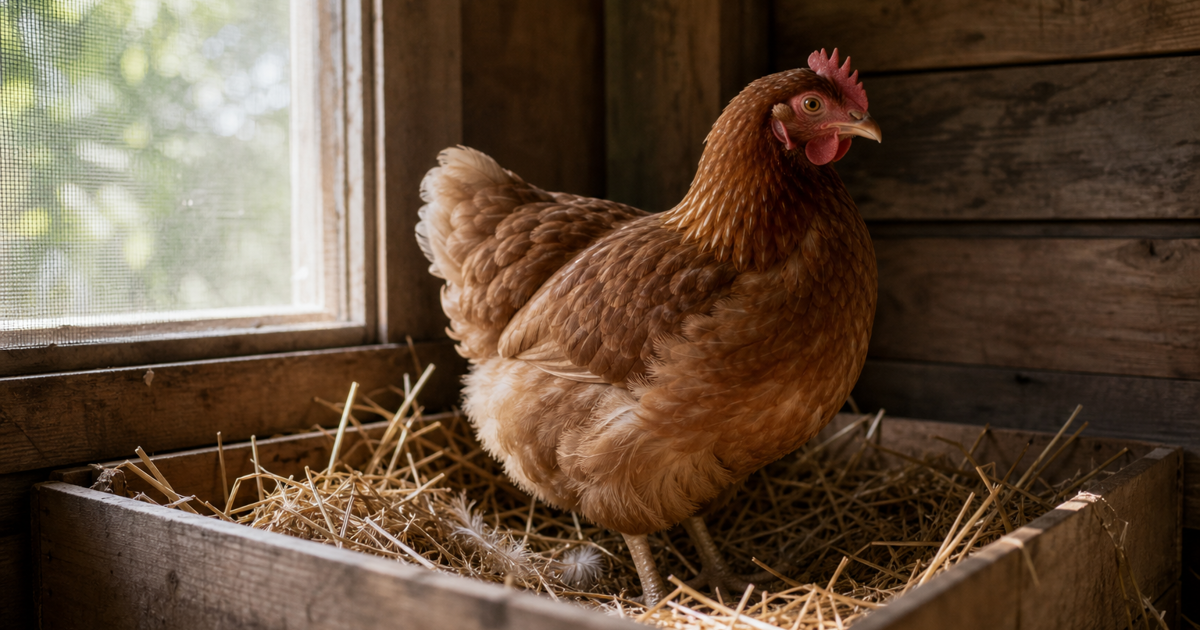
Egg Bound Hen Symptoms: Recognizing the Warning Signs Early
Egg binding is one of the most time-sensitive problems a laying flock can face, and being able to identify egg bound hen symptoms early often determines how a case unfolds. Because chickens instinctively mask illness, the first changes are usually subtle shifts in posture and behavior rather than anything dramatic, which means keepers who watch their birds daily tend to notice trouble first. For broader context on laying interruptions and the many other reasons production stops, see the main guide on why chickens stop laying eggs.
What Egg Binding Actually Refers To
Poultry veterinarians and university extension resources describe egg binding, sometimes called dystocia, as a condition in which a fully or partially formed egg is retained in the lower reproductive tract and cannot be expelled normally. A healthy hen typically moves an egg through the shell gland and out the vent within a predictable window, so a bird that is straining without producing anything for an extended period has departed from that normal pattern.
It is worth stating clearly that egg binding in chickens cannot be confirmed by observation alone. Several unrelated reproductive, digestive, and infectious conditions produce nearly identical outward signs, and distinguishing between them generally requires a physical examination, palpation, or imaging performed by a veterinarian. What a keeper can do is recognize the pattern of warning signs quickly and seek professional guidance rather than waiting to see whether the bird improves on her own.
Egg Bound Hen Symptoms: Signs to Watch For
The following observations are the ones most commonly listed in avian veterinary and extension literature. None of them individually confirms anything, but a cluster appearing together in a hen of laying age is a reason to contact an expert promptly.
Repeated, Unproductive Nesting
A hen that visits the nest box over and over, settles in, strains, and leaves without laying is showing one of the classic signs of an egg bound hen. Normal laying behavior involves a period of nest inspection and settling, but the whole process usually concludes with an egg. Persistent nesting effort across several hours with nothing to show for it warrants closer observation and a call to a veterinarian.
Upright "Penguin" Posture and a Waddling Walk
Keepers frequently describe affected hens standing more vertically than usual, with the chest lifted and the tail angled downward. The gait may become wide and unsteady, almost a waddle, as the bird shifts weight to relieve pressure in the abdomen. This altered stance is one of the more recognizable indicators and is a sign you should consult a veterinarian, particularly when it appears suddenly in a hen that walked normally the day before.
Tail Pumping and Visible Straining
Rhythmic up-and-down movement of the tail, sometimes accompanied by obvious abdominal contractions, reflects continued effort to expel something. Short bouts of straining are part of normal laying, but repeated pumping that continues for hours without result is not. Straining that persists is a symptom that should be evaluated professionally rather than monitored indefinitely.
Lethargy, Fluffed Feathers, and Separation From the Flock
A bird that stands hunched with feathers puffed out, eyes partly closed, or that removes herself from the group is displaying general signs of distress common to many illnesses. In the context of other reproductive symptoms, this combination is significant. Any hen that isolates herself and stops responding to normal flock activity is a candidate for veterinary assessment.
Loss of Appetite and Reduced Drinking
Hens experiencing abdominal discomfort commonly walk away from feed and water. Because dehydration compounds nearly every reproductive problem, a bird that stops eating and drinking is in a rapidly worsening situation. Refusal of favorite treats is often the earliest detectable change, which makes it useful for recognizing egg binding early.
Pale or Discolored Comb and Wattles
The comb of an actively laying hen is normally bright, full, and warm-toned. A comb that turns noticeably pale, dull, or bluish suggests systemic distress and reduced circulation. Discoloration of the comb is a sign that veterinary attention should be arranged without delay.
Swollen or Firm Lower Abdomen
Some affected hens develop a distended, tight-feeling abdomen between the legs and the vent. Handling should be gentle and brief, and keepers should never attempt to press, squeeze, or manipulate the area, because a retained egg can break internally and cause severe complications. Any noticeable swelling in this region belongs in the hands of a professional.
Straining at the Vent, Soiled Feathers, or Protruding Tissue
A vent that appears swollen, pulsing, or soiled, or one where pink or red tissue is visible, indicates a serious problem. Tissue protruding from the vent may represent a prolapse and is an emergency-level observation. This is one of the clearest cases where the answer to how to tell if your hen is egg bound is simply to stop guessing and get veterinary help immediately.
Change in Droppings
Because the reproductive and digestive tracts share the cloaca, pressure in the oviduct can reduce or halt the passage of droppings. Watery droppings, very small output, or no output at all over several hours is meaningful. Absent droppings in a straining hen is a sign you should consult an expert quickly.
Possible Causes of Egg Binding in Chickens
Understanding why the problem develops helps keepers judge which birds carry the most risk. Research and veterinary references point to several overlapping contributors.
- Calcium and electrolyte imbalance. Calcium drives the muscular contractions that move an egg through the tract. A layer diet that is short on available calcium, or a hen whose reserves are depleted by heavy production, may lose the muscle tone needed to complete the process.
- Oversized or misshapen eggs. Double-yolk eggs, unusually large eggs, and eggs with soft or irregular shells are harder to pass. Young pullets and very heavy production hybrids produce these more often than average.
- Pullets laying too young. Birds pushed into early production by extended artificial lighting may begin laying before the reproductive tract is fully mature, which raises the odds of a difficult passage.
- Obesity and low activity. Excess abdominal fat crowds the reproductive tract and weakens the muscular effort required for laying. Treat-heavy diets and confined runs contribute to this pattern.
- Dehydration and environmental stress. Heat waves, frozen waterers, sudden cold, predator disturbance, and flock upheaval can all interfere with normal laying rhythm.
- Age and cumulative wear. Older hens that have laid heavily for several seasons face a higher rate of reproductive complications overall.
- Underlying disease. Infections, internal laying, tumors, and inflammatory conditions of the oviduct can mimic or trigger the same picture, which is another reason a professional evaluation matters.
Similar-Looking Conditions
Several problems overlap heavily with egg binding in chickens, which is exactly why keepers should describe observations to a veterinarian rather than settling on a conclusion at home.
| Observation | Also Commonly Seen With |
|---|---|
| Upright posture, waddling gait | Ascites (fluid accumulation), internal laying, abdominal tumors |
| Straining at the vent | Vent prolapse, impacted crop-related distress, severe intestinal parasitism |
| Lethargy and fluffed feathers | Nearly any systemic infection, heat stress, poisoning |
| Pale comb | Anemia, mite or lice infestation, internal bleeding |
| Sudden stop in laying | Molt, short daylight hours, broodiness, dietary change |
When to Be Concerned and Consult an Expert
Time matters more with this condition than with most flock issues. Veterinary sources generally treat the following as urgent and worth an immediate call to an avian or poultry-experienced veterinarian:
- Straining that continues for more than roughly a day, or an obviously distressed hen at any point.
- Inability to stand, collapse, or lying down away from the flock.
- Any tissue visible outside the vent.
- A comb or wattles that turn blue, gray, or dramatically pale.
- Labored breathing or open-mouth breathing.
- Complete refusal of food and water.
Keepers should avoid attempting extraction, internal manipulation, or home remedies found in forums. A broken egg inside the reproductive tract can lead to infection and internal injury, and interventions that appear harmless online carry real risk. The safest role for the keeper is to move the hen to a quiet, warm, low-stress space with easy access to water, limit handling, note exactly which symptoms appeared and when, and pass that timeline to a veterinarian who can examine the bird directly.
Reducing Risk Across the Flock
Prevention centers on nutrition, body condition, and steady management. A complete layer ration with free-choice oyster shell, constant clean water, room to move, and restraint with treats all support normal reproductive function. Recognizing egg binding early is easier in a flock that is observed at the same time each day, because deviations from each bird's routine stand out. Keepers reviewing production problems more broadly may also find it useful to read about calcium requirements for laying hens and about how molting affects egg production, since both intersect with reproductive health.
Bottom Line
Learning the signs of an egg bound hen gives keepers a realistic chance to intervene before a bird's condition deteriorates, but observation is where a keeper's role ends and a veterinarian's begins. Treat any cluster of egg bound hen symptoms as a reason to seek professional guidance the same day rather than a puzzle to solve alone.